Before an IV start ever happens, there is often a search.
A nurse checks one bin for labels, another area for tape, another cart for prep supplies, and another drawer for the item that should have been there but is not.
This invisible work is easy to overlook because it happens before the official task begins. It is not always documented. It is not always discussed in a supply review. But nurses know it well: the walk back to the supply room, the quick check of another cart, the moment when one missing item interrupts the setup.
The invisible work before the bedside
An IV start does not begin at the bedside. It begins earlier, when the nurse is gathering what the setup requires.
That might include checking for the right label, confirming the right prep item is nearby, finding tape, locating a dressing, or making sure the supplies in the room match what the team expects.
In a busy nursing unit or ER, that search can become part of the routine. One shift stocks a cart one way. Another room is missing a small item. A float nurse has to learn where everything is kept. A familiar setup gets rebuilt again and again from loose supplies.
None of this means the team is doing anything wrong. It means the work is complex, the pace is real, and small supply gaps can create friction before care even begins.

Why fragmented setup creates more than inconvenience
A loose-supply setup can feel small because each item is small.
But the pattern is bigger than a single label or roll of tape. When supplies are stored across multiple places, the setup becomes harder to repeat consistently.
That can create:
- Extra walking before the bedside
- More checking across carts, rooms, bins, or drawers
- Room-to-room variation
- More mental load during already busy shifts
- More workarounds for float or travel staff
- More questions for supply chain about what should be stocked, ordered, or bundled
The issue is not one missing item. It is the repeated interruption of clinical flow. In high-volume care environments, those small interruptions matter because they happen over and over.
Why a single-source IV kit changes the conversation
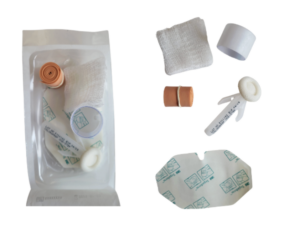
A standardized IV Start Kit is not simply another product on the shelf. The point is to bring commonly needed setup items into one clearer workflow.
That distinction matters. Nurses are not asking for clutter. They are asking for the setup to make sense when they need it.
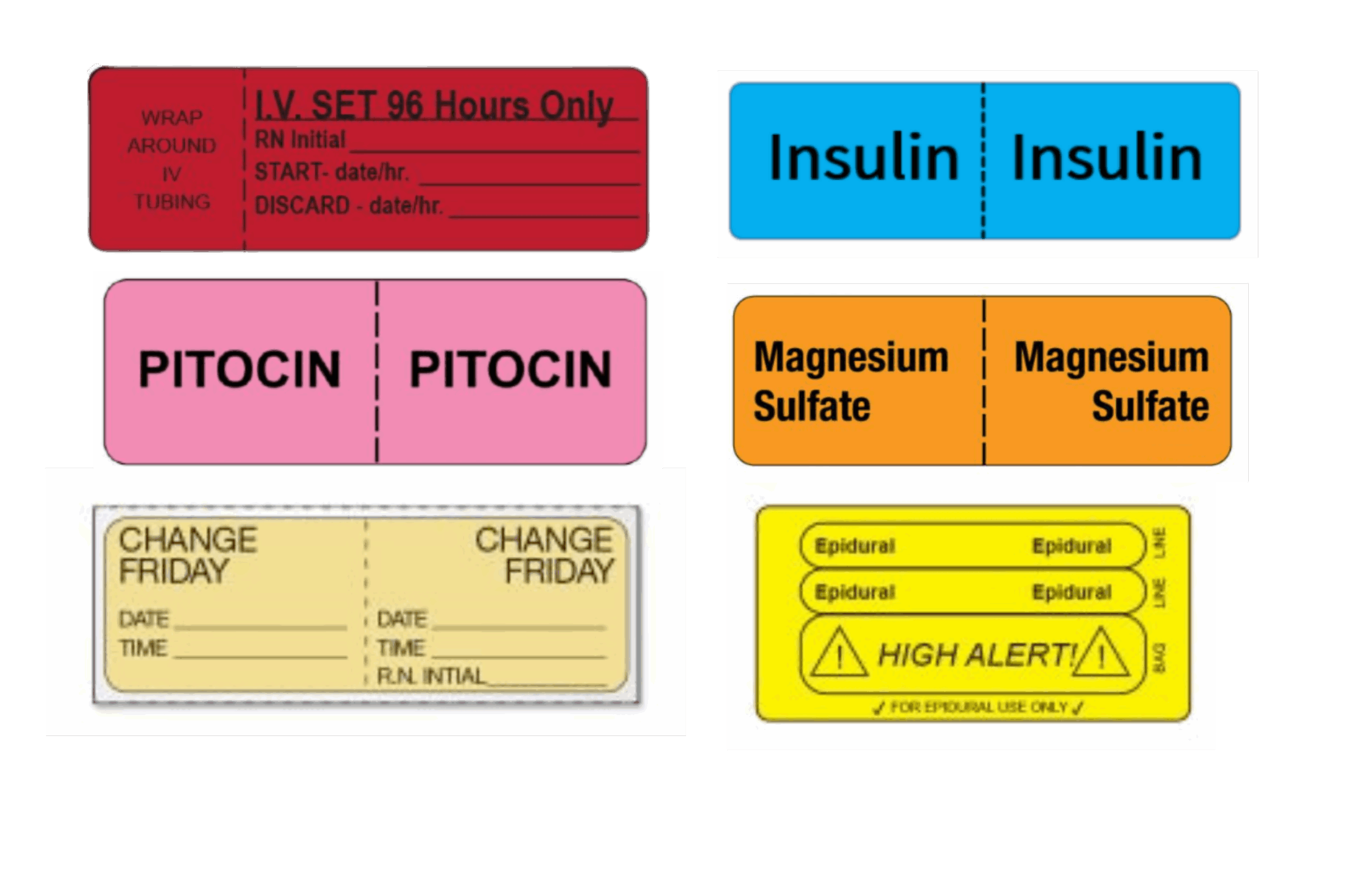
Streamlining Your High-Volume Label Protocols
Standardizing your IV line labels is the easiest way to inject immediate consistency into your clinical environment. When labels match across every bay and cart, safety protocols become second nature for full-time and float staff alike.
Caresfield bridges the gap between clinical intent and logistical reality. Instead of leaving you to manage labels as a fragmented, loose category, we partner with you to engineer a complete setup ecosystem. We evaluate your facility’s specific line-identification workflows and map out custom labeling strategies that integrate directly into your bulk ordering or custom IV Start Kits.
We make optimization painless by managing the backend heavy lifting: GPO contract verification, side-by-side product matching, and custom pricing quotes tailored to your system’s real volume.
This is preparation support, not a procedure guarantee. A kit does not replace clinical judgment. It does not promise a faster IV start. It does not remove the need for training, technique, or patient-specific decision-making. What it can do is give teams a practical way to review the work that happens before the bedside.
Why This Matters to Leaders and Supply Chain Too
This conversation cannot stop at the bedside. For nursing leadership and procurement teams, managing an IV start category item-by-item is a direct threat to both clinical readiness and bottom-line efficiency.
- For Clinical Operations & Nursing Leadership: Every variation in how a cart or room is stocked creates process variation. Standardizing the setup with a single kit builds an operational floor that protects your team—ensuring float staff, new hires, and rapid-response teams encounter the exact same setup in every single room, on every single shift.
- For Supply Chain & Value Analysis: Managing this category through fragmented ordering is a massive “soft cost” leakage. Buying, tracking, and stocking six separate loose items means six points of inventory friction, multiple order paths, and unnecessary invoicing labor.
The identical supply-room friction that frustrates your nursing staff at 2:00 AM is the exact same friction draining your procurement efficiency during the day. It is time to look at this high-volume category as a single, consolidated product pathway.
Actionable Support: Moving Beyond Appreciation
Recognizing the hard work of clinical teams should go beyond words. True support shows up in the infrastructure provided to them before they ever reach the bedside.
Caresfield doesn’t just supply products; we streamline procurement ecosystems. By bridging your high-volume compliance needs—like standardizing your IV Line Labels—with a standardized All-in-One IV Start Kit, we help your facility eliminate unnecessary supply chain touches while giving nurses their time back.
We make the transition seamless by handling the administrative heavy lifting for you: side-by-side quote comparisons, GPO contract alignment verification, and physical sample coordination for your clinical floors.
Take Action: Streamline Your IV Start Category
Request a Side-by-Side Quote Comparison
Click to instantly connect with the Caresfield team. We will map your current loose-supply volume against a consolidated kit model to identify contract pricing tiers and SKU reduction opportunities.
Get physical Caresfield IV Start Kits and IV Line Labels directly onto your nursing floors for evaluation. Let your clinical leads experience the difference of an ‘auto-pilot’ setup firsthand.