

“Hunting and Gathering”: The Efficiency of the Single-Source IV Kit
Before an IV start ever happens, there is often a search. A nurse checks one bin for labels, another area for tape, another cart for prep supplies, and another drawer for the item that should have been there but is not. This invisible work is easy to overlook because it happens before the official task
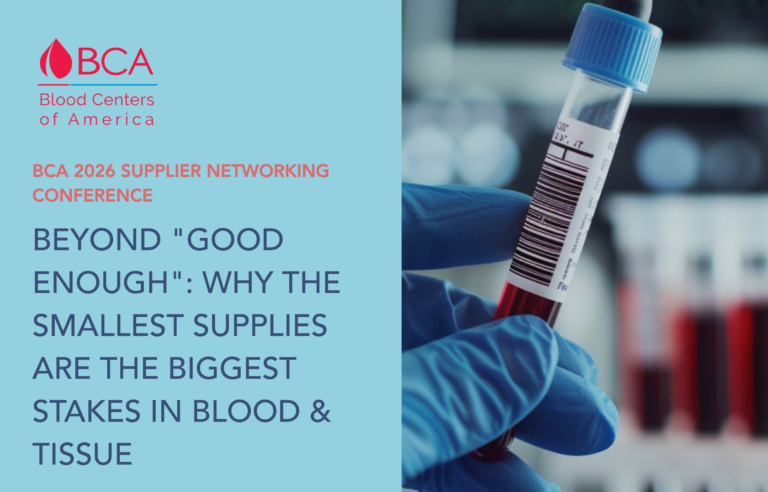
Beyond “Good Enough”: Why the Smallest Supplies are the Biggest Stakes in Blood & Tissue
In the world of blood and tissue banking, there is no such thing as a “small” detail. We often talk about the big-picture goals: domestic supply chain resilience, regulatory compliance, and donor retention. But for the teams on the floor, the phlebotomists, the lab techs, and the logistics coordinators, the success of the mission often
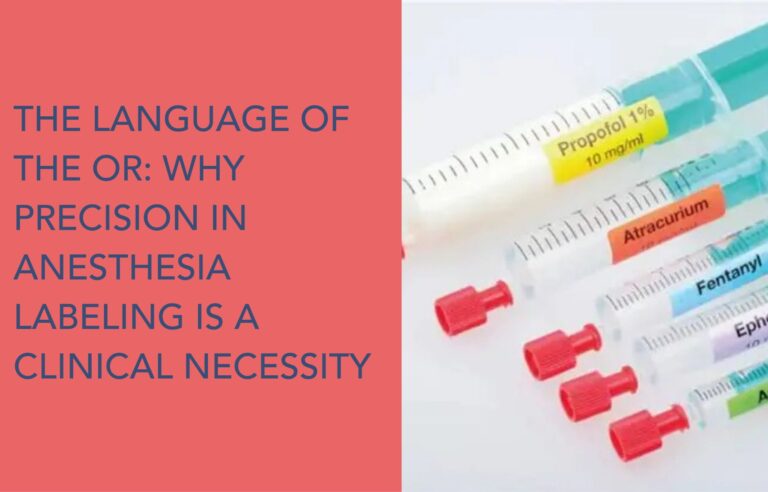
The Language of the OR: Why Precision in Anesthesia Labeling is a Clinical Necessity
In the high-pressure theater of the Operating Room, silence is rarely quiet. It is filled with the rhythmic hum of monitors, the focused directives of the surgical team, and the silent, rapid-fire preparation of life-critical medications. For an anesthesia provider, this environment demands a level of cognitive endurance that few other professions face. Imagine a

The Anatomy of a Perfect Draw: How Quality Tools Prevent Phlebotomist Burnout
The clock on the wall reads 6:15 AM. In the dim, clinical quiet of the morning, Sarah prepares her tray. She’s been a phlebotomist for seven years, and she’s good at it, her patients often tell her they “didn’t feel a thing.” But lately, Sarah has been feeling everything. She feels the slight tremor of

The Underestimated Variable: Is Your Tourniquet Technique Shredding Your ROI?
In the high-pressure environment of a busy hospital, the humble tourniquet is often the most overlooked tool in the clinician’s tray. It is frequently seen as a “set and forget” step in the venipuncture process. However, evidence-based data shows that this simple strip of elastic is a primary driver of pre-analytical errors, and a significant

The $200 Redraw: Why Specimen Integrity is the New ROI
In the quiet efficiency of a modern healthcare facility, a single red-capped tube sits on a lab counter, rejected. The diagnosis: Hemolysis. To the naked eye, it’s just a slightly pink tint to the serum. But in the grand machinery of hospital operations, that one rejected sample is the first domino in a costly, frustrating,

Sole Source, Infinite Choice: The New Era of Tourniquet Standardization
In the healthcare supply chain, “standardization” is often a loaded word. For procurement teams, it means necessary savings and streamlined logistics. But for clinicians, it often raises concerns about “one-size-fits-all” products that don’t meet the diverse needs of their patients. Usually, you have to choose between the aggressive savings of a sole-source contract and the

The Hidden Cost of “Lost & Found”: Why Patient Belonging Management Matters
In the high-pressure environment of a modern hospital, the “little things” often carry the most weight. For a patient, a pair of reading glasses isn’t just an accessory, it’s their ability to read a consent form. A smartphone isn’t just a device; it’s their only lifeline to family. When these items go missing, the impact
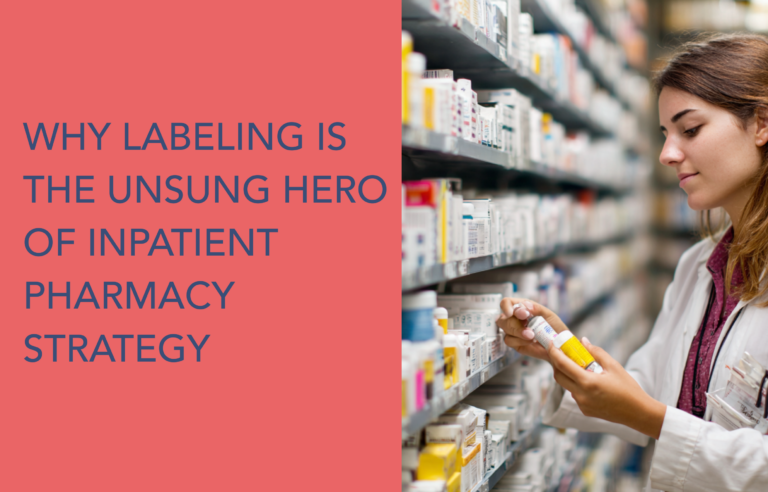
Why Labeling is the Unsung Hero of Inpatient Pharmacy Strategy
It’s 3:00 AM. The ICU is at capacity. A nurse reaches into the Automated Dispensing Cabinet (ADC) for a high-alert medication. In this high-stakes moment, the most critical piece of technology in her hand isn’t the bedside monitor or the infusion pump. It’s a 3.5 x 1 inch notched sticky label. That tiny notch isn’t

Patient Safety Goals Have New Standards: The 2026 NPG Guide.
Happy New Year, and welcome to Q1 2026! For most industries, January is a time for fresh starts. For healthcare leaders, it often signals the return of “survey anxiety.” But this year is different. As of January 1, 2026, The Joint Commission (TJC) has officially transitioned from the familiar National Patient Safety Goals (NPSGs) to

The “Frankenstein” Supply Cart: Why Your Phlebotomy Workflow Needs a Single Heartbeat
Is your supply room a collection of random parts, or a cohesive system? Discover how consolidating your workflow changes the rhythm of your day. Picture 6:00 AM rounds. The coffee hasn’t kicked in yet. You are at the cart, prepping for a difficult draw. You reach for a tourniquet, it’s the wrong texture. You grab
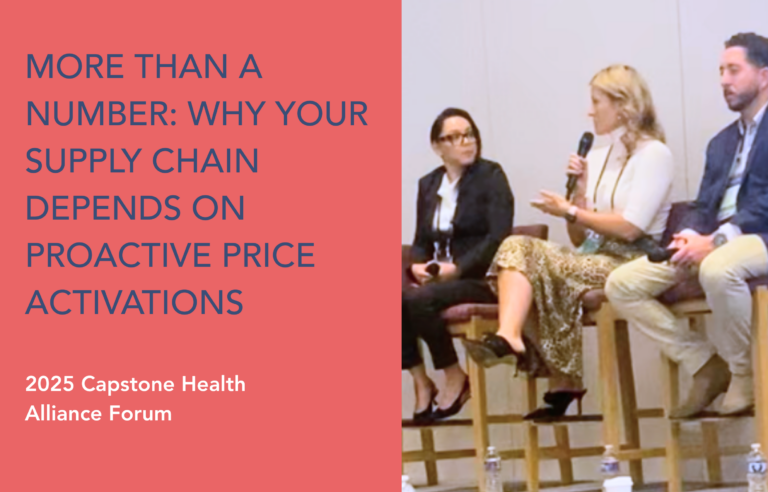
More Than a Number: Why Your Supply Chain Depends on Proactive Price Activations
The healthcare supply chain is an intricate web of partners, products, and processes. But what holds it all together? At the recent 2025 Capstone Health Alliance Forum, our own Kacie from Caresfield joined a panel to discuss one of the most critical, yet often unseen, processes: price activations. The discussion, “Price Activation Process: Navigating the


