Providing outstanding care takes a team approach. Caresfield’s national sales team came together in Miami last week for training and meetings to grow better together. The event included guest speaker Dee Donatelli, RN, BSN, MBA, addressing the current state of healthcare supply chain, a retired U.S. Navy SEAL and peer-led breakout sessions. We learned about value analysis and built communication skills to help you improve clinical outcomes and reduce costs.
Senior Director of Sales Amber Bogard leads the sales team and helped plan the event. She credited the event’s success to the team’s high energy and eagerness to learn.
“With most of our sales team being remote, events like this are a way to enhance teamwork, collaboration and caring,” Bogard said. “We wanted to learn more about the clinical aspects of the value analysis process and how we can help end users drive better clinical outcomes.”
Vice President of Sales and Marketing Stefanie Bosshart said the event also helped set the stage for challenges in the year ahead.
“It’s easy to be better together when things are good,” Bosshart said. “This is going to be a tough year. The only way we’ll help clinicians and value analysis teams achieve better clinical outcomes is through cooperation, communication and vulnerability.”
Using Value Analysis to Improve Clinical Outcomes
The two-day meeting started with Donatelli explaining how value analysis teams work. When she started in the field as a nurse, there was no formal value analysis process. She advocated for a better system until she was added to standardization committees. She was one of the first clinicians involved in value analysis and she pushed the industry to develop a standardized decision-making process to drive positive outcomes.
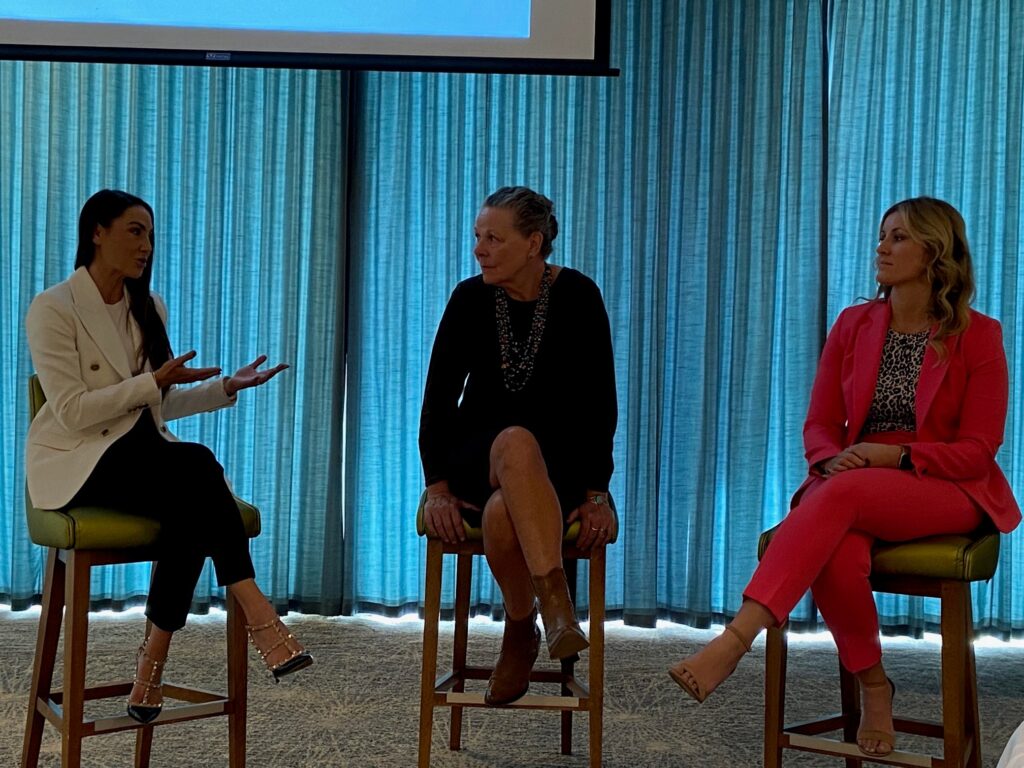
As a clinician, Donatelli said supply chain should focus on their primary objective of controlling costs. Another industry expert, SVAH Solutions, agreed in a recent blog post: “Although supply chain should facilitate your healthcare organization’s value analysis program, to be truly effective it should not be the lead on your value analysis initiatives1.”
Donatelli challenged the Caresfield team to find whether hospitals used value analysis as a noun or an action verb. Is value analysis something the hospital talks about or something they apply consistently across the organization?
To illustrate her point, Donatelli shared personal anecdotes, including one integrated delivery network (IDN) where 17 hospitals used 23 different peripherally inserted central catheter (PICC) lines. She also shared that an average hospital gets 50-100 new product requests in a month.
To help connect with supply chain professionals, Donatelli gave the Caresfield team some advice:
- Give customers what they want before they need it
- Supply brief clinical and financial information
- Understand the customer’s process before the pitch
- Differentiate from competitors
- Share reference materials
Ultimately, Donatelli encouraged our team to be better together and work with value analysis teams to help improve clinical outcomes and reduce overall cost.
Better Together by Sharing Information
The Caresfield sales team gave presentations on their territories and breakout sessions on healthcare distribution, wristbands and tourniquets. The presentations were an opportunity to highlight wins in patient safety and cost savings with an open dialogue.


For Key Account Manager Marcela Gallo, who recently shared her experience with improperly sized tourniquets on the Caresfield blog, it reinforced recent discussions around Caresfield’s value propositions.
“At Caresfield, we don’t sell on price alone,” Gallo said. “We aim to be trusted partners, helping clinicians improve the patient experience and supply chain achieve cost savings. Every parent bringing a child to the hospital would agree that patient safety and comfort are incredibly important. Our products help improve outcomes.”
Breakout Sessions Focus on Patient Safety, Comfort and Cost Savings
The breakout sessions provided small-group training to understand the benefits of tourniquets, wristbands and distribution. Tourniquets and patient identification bands play important roles in patient safety, while distribution greatly impacts the cost of products. By having focused discussions on each of these topics, our sales team can use our collective knowledge to help you improve outcomes and decrease costs.
Improving the Patient Experience with Wristbands
Two breakouts focused on patient identification bands. The first showed the SensaBand™, a Tyvek direct thermal wristband. An incredibly comfortable and anti-microbial option, the SensaBand is an ideal identification solution for many hospitals. Much of the discussion focused around hurdles our team has seen trying to introduce the product to hospitals using a different technology.
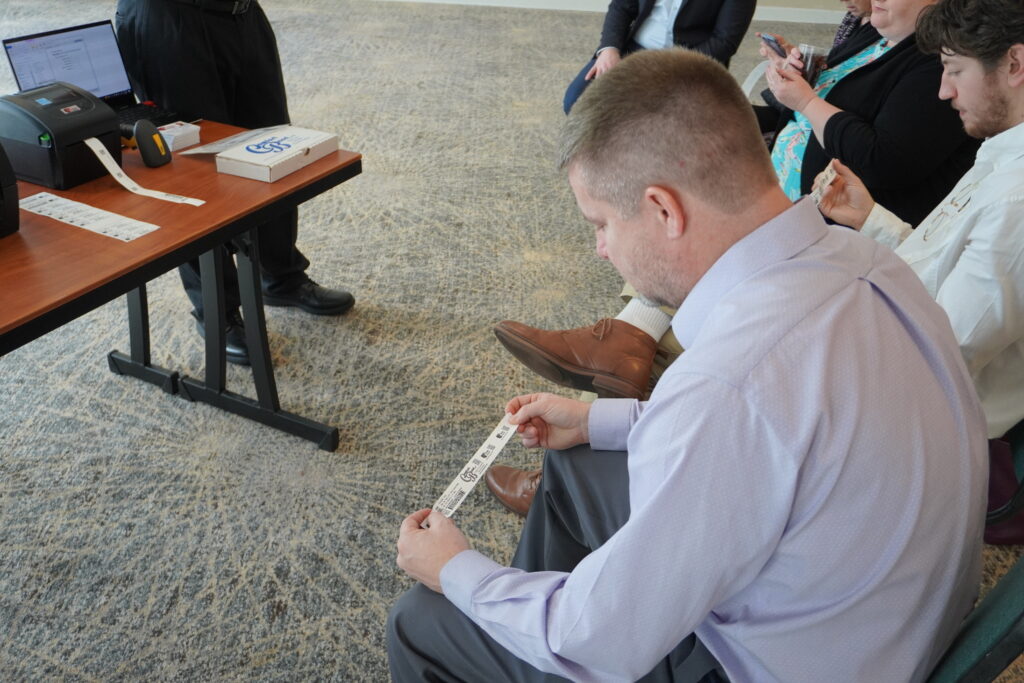
Two benefits that came up most often were cost savings, from reducing waste and toner expenses, and the ability to continue printing bands even if the network is down. While these would be big wins for many hospitals, a wristband conversion can take time. There are a lot of departments involved. Hospitals have already invested in printers and IT may be resistant to change or bogged down with other projects.
To help overcome these issues, each group walked through the conversion process for the SensaBand:
- In-person meeting to see and test the wristband.
- Get a data feed from IT.
- Evaluate proofs and test samples.
- Program and test the printer, usually in Emergency Department or Labor and Delivery.
Related: SensaBand: The World’s Most Comfortable Wristband CaresTalk Webinar
If you’d like to learn more about the SensaBand, email our sales team.
Beyond the SensaBand, another session focused on the overall market for patient identification bands. Firstly, we discussed Caresfield’s strengths, including our broad product base. We offer cost-competitive drop-in replacements that meet the needs of nearly every hospital in the U.S.
While moving to an innovative technology like the SensaBand can be a long-term project, Caresfield’s drop-in replacements are a possibility in the short term. While finding the best price may depend on your GPO contract and other factors, Caresfield offers tremendous value with same-day shipping on in-stock items and live customer service.
If you’ve had service issues in the past, we encourage you to rely on Caresfield as a backup vendor. We store our identification bands in the U.S. We’re always happy to stop in for a free consultation to review your current product, identify standardization opportunities and analyze potential cost savings.
Related: Three Steps to Determine the Best Patient Identification Bands for Your Facility
Tourniquets
Another breakout session focused on Caresfield’s phlebotomy tourniquets. While some hospitals use a single size for all patients, Caresfield offers specialty tourniquets. Using the right size for infant, pediatric or bariatric patients can improve patient comfort and our brightly colored options may help reduce the risk of leave-on accidents. Discussions focused on the pros and cons of working top-down with executives and bottom-up with end users.
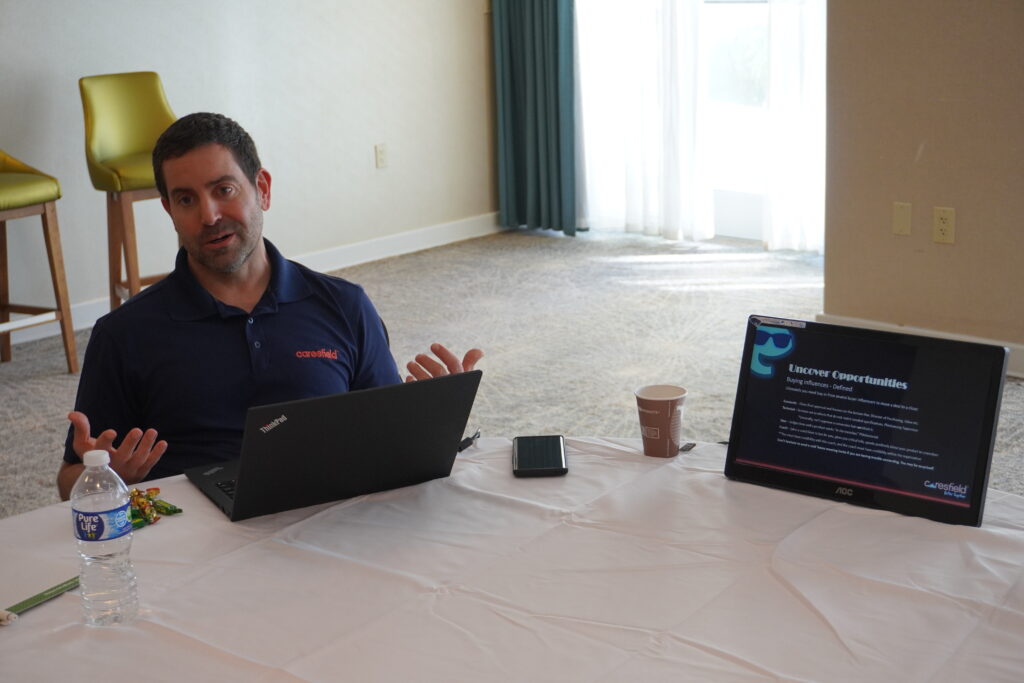
Often with tourniquets, there can be a disconnect between clinicians and supply chain. While the end user may prefer bright colors and specialty sizes, the value analysis team may only look at the lowest cost per unit and the smallest number of SKUs. To help bridge the gap, the breakout encouraged discussion of how to get all the players on the same page, to help provide the best clinical outcomes at the lowest total price.
Keeping with the theme of improving clinical outcomes, the team discussed the value of specialty-sized tourniquets. In a recent blog post, we discussed how single-use items like disposable tourniquets may help reduce the risk of healthcare-acquired infections.
To empower clinicians to provide the best clinical outcomes, Caresfield offers free samples. To properly evaluate how our phlebotomy tourniquets impact patient care, we often recommend hospitals and health systems try them in one department. This gives clinicians the data needed to have an informed discussion with the value analysis team.
Working with Distributors
For a manufacturer like Caresfield, our best-case scenario would be to sell directly to hospitals, IDNs, clinics and non-acute facilities. We know the sheer number of contracts you manage make this impossible. Distributors are an essential part of North American healthcare.
A recent report found the market for healthcare distribution is projected to reach $1,194.47 billion in 20232. Our breakout session focused on two main points: understanding how the distribution model works and how to help customers decide when it makes sense to order direct.
There are many reasons your facility may work with a distributor:
- Storage space – Most hospitals don’t have enough room to store every supply they need in a year. Distributors offer large warehouses for bulk storage and often accommodate any size of order down to low unit of measure.
- Product rotation – The distribution model helps ensure products are not damaged, expired or obsolete.
- Data analysis – Distributors can track your overall spend, show inefficiencies and highlight purchasing trends.
The downside of the distribution model is the added cost for hospitals and other care sites. Distributors establish markups on top of GPO pricing and negotiate distribution fees, compliance requirements and fill rates with hospitals and IDNs.
Here are some helpful tips to make the most of your relationships with suppliers and distributors:
- Set expectations: are you going to purchase through distribution or direct?
- Know your distributors: lab and med-surge often use different distributors, so make sure you have all the right contacts looped in.
- Identify your point of contact: Make sure your partners know the right contact in case any issues arise.
- Verify item number and GPO pricing: verifying all the correct information ensures a smooth conversion.
- Communicate with all parties: a communication thread between yourself, the distributor and the supplier holds everyone accountable.
Lessons from a U.S. Navy SEAL
To help put the lessons from the two-day meeting in perspective, we brought in a retired U.S. Navy SEAL as a keynote speaker. Because the speaker is still an employee of the U.S. government, we aren’t allowed to share their name or any photos from the session.
What we can tell you, however, is that our themes of cooperation, communication and vulnerability were central to the speaker’s message. They shared how those values meant the difference between life and death through foreign deployments.
The core message was whether you are selling labels, caring for patients or protecting national security, the way we do things matters. Our team took the message to heart in our efforts to be better together.
Teambuilding
Finally, our two-day event wrapped up with a teambuilding exercise. Minute Wars broke our group down into cross-department teams and challenged us to work together to outperform our rivals in short games. Whether it was wrapping a teammate in toilet paper, trying to keep multiple balloons in the air or building a skyscraper out of note cards, each team got to laugh while stepping outside their comfort zone.
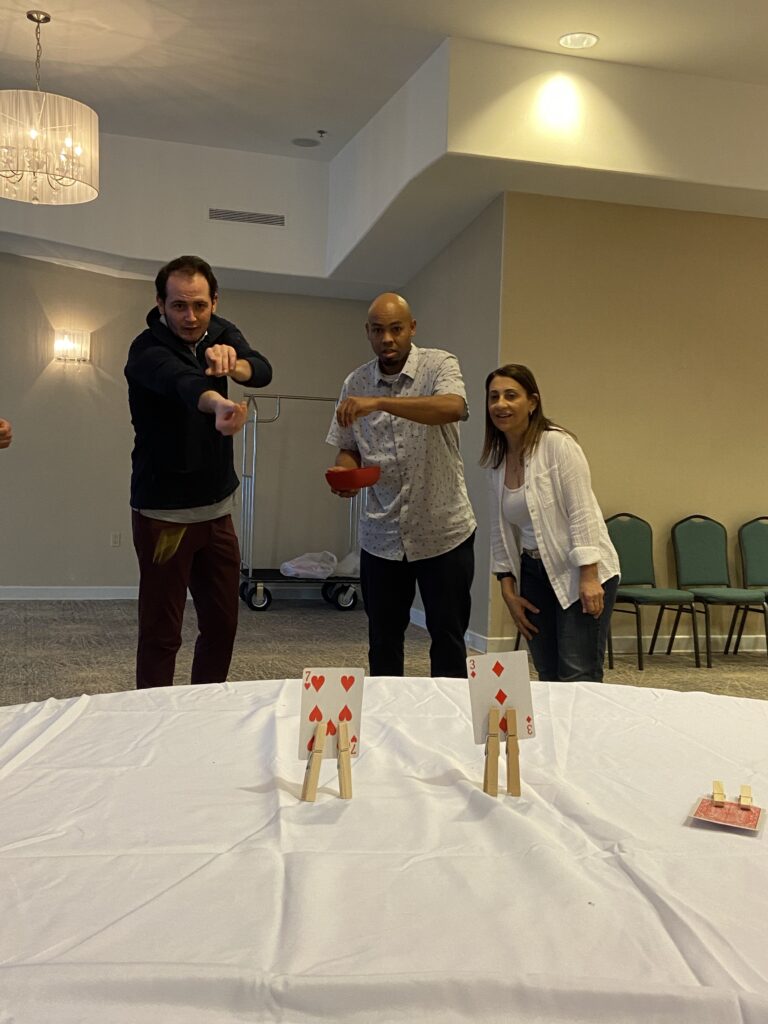
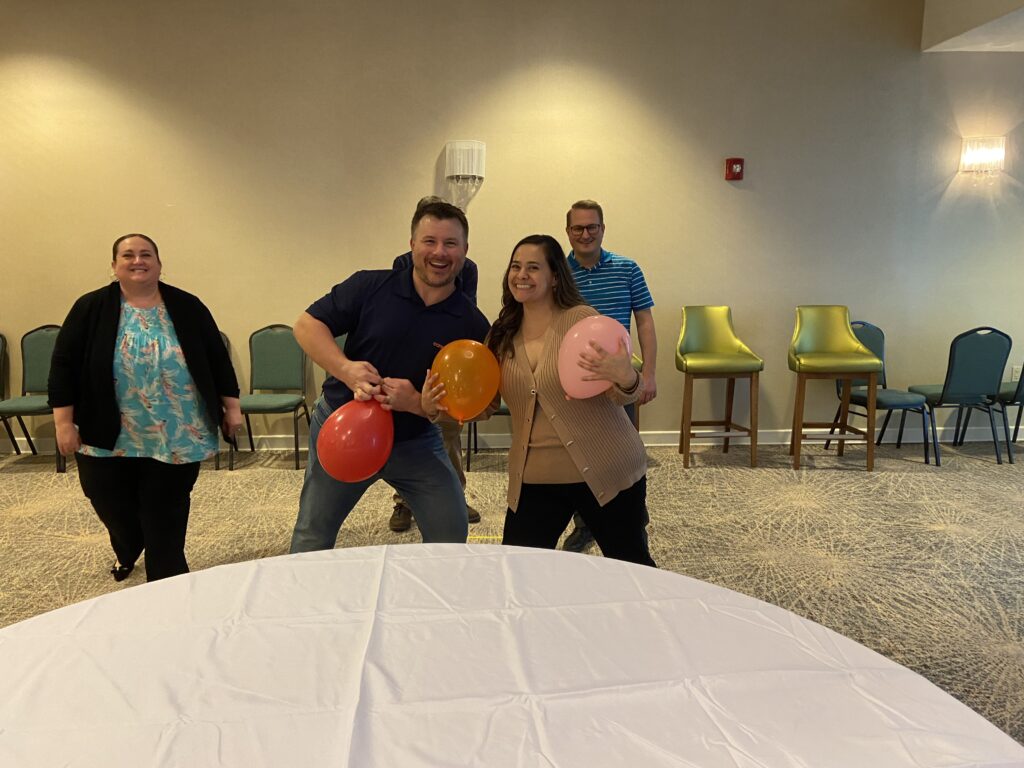
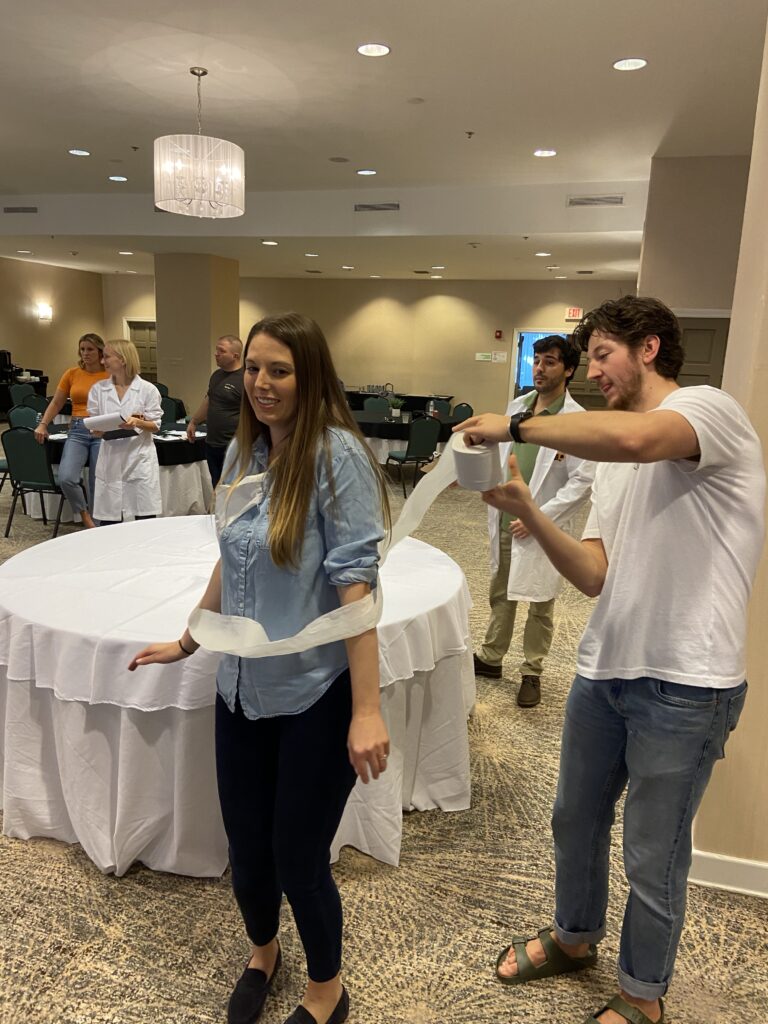
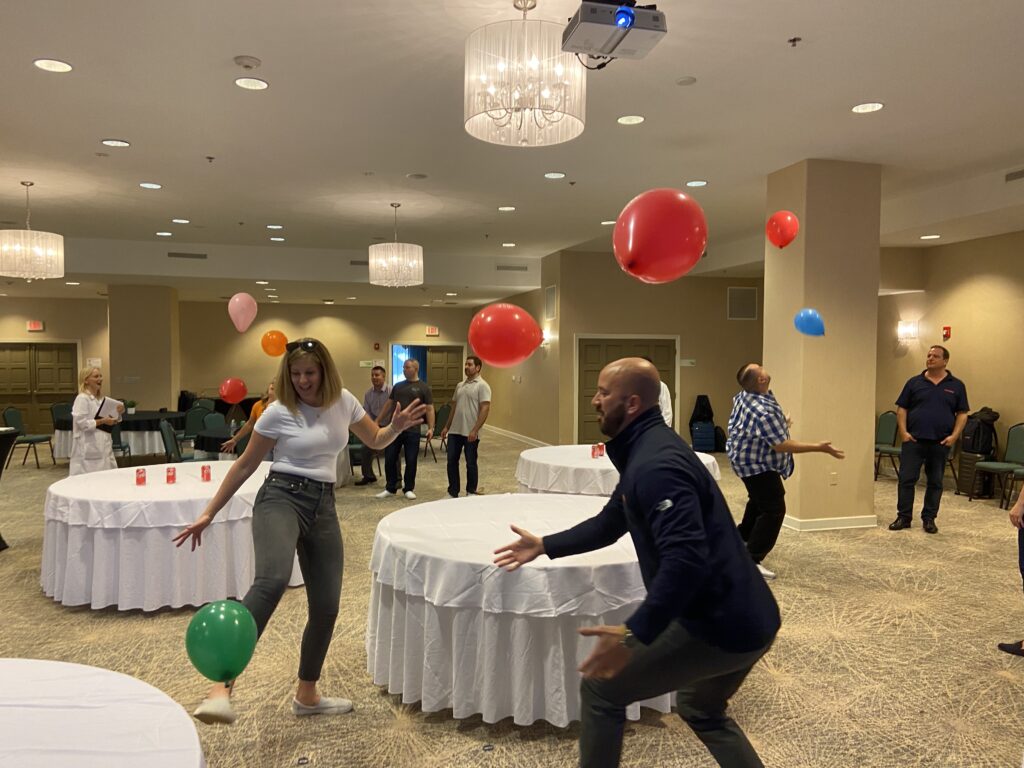
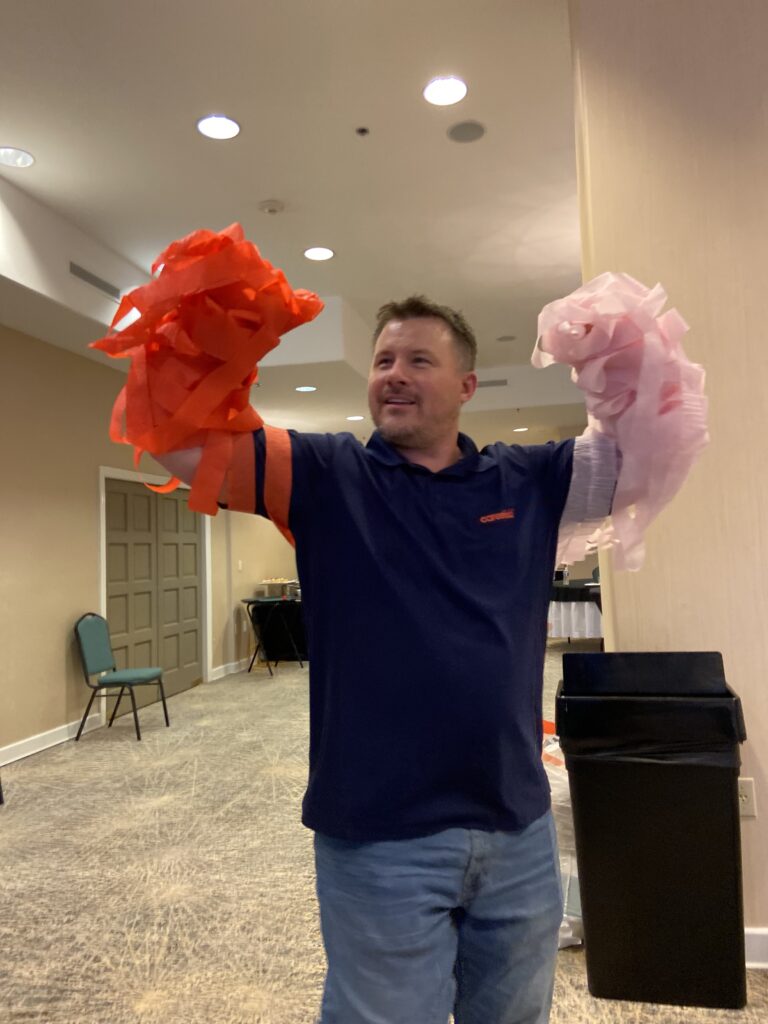
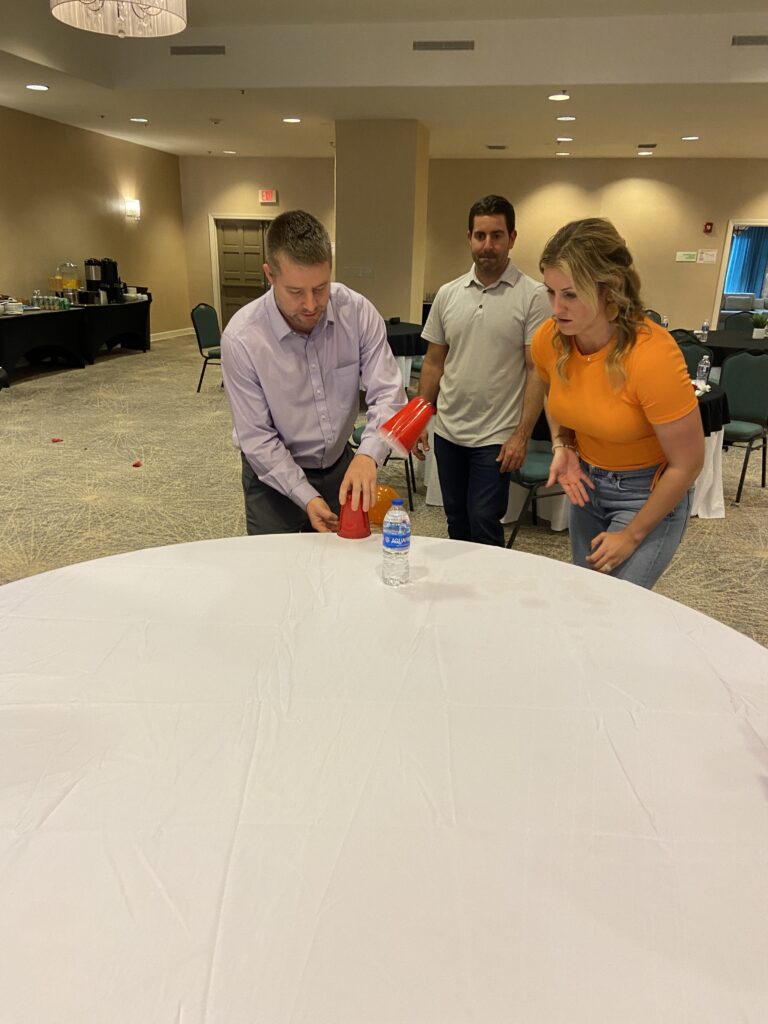
This exercise helps Caresfield provide better service. In her opening remarks Donatelli said if you’ve seen one value analysis team, you’ve seen one. By practicing effective communication in stressful situations we can be more comfortable sharing the values and benefits of our products. We’re all busy, we can be better together by communicating effectively.
Better Together
By becoming better together as a team, Caresfield aims to help you improve clinical outcomes and reduce costs. At the end of the event, Bogard said one her biggest takeaways was how powerful communication is. “We cannot be better together without strong communication,” Bogard said. “For Caresfield, just like for our customers, that translates into success.”
Sources
- SVAH Solutions, Healthcare Value Analysis Rules that Are Meant to be Broken”, https://svah-solutions.com/healthcare-value-analysis-rules-that-are-meant-to-be-broken/, accessed Feb. 7, 2023.
- 360iResearch, Healthcare Distribution Market Research Report by Type, End User, Region – Cumulative Impact of COVID-19, Russia Ukraine Conflict, and High Inflation – Global Forecast 2023-2030, https://www.reportlinker.com/p06396955/Healthcare-Distribution-Market-Research-Report-by-Type-End-User-Region-Cumulative-Impact-of-COVID-19-Russia-Ukraine-Conflict-and-High-Inflation-Global-Forecast.html?utm_source=GNW, accessed Feb. 7, 2023