Have you ever wondered what takes place during a blood donation? As a supplier of many blood donation products, we know how important it is to have the right tools. We’ll walk you through a typical donation and highlight some of the equipment used.
Registration and Pre-Screening
First, you need to find somewhere to donate. You can visit a blood center or find a business hosting a blood drive, like we did in January. Due to COVID-19, most blood donations require appointments.
Some organizations, like the American Red Cross, allow you to complete a health questionnaire prior to your appointment. By taking this extra step ahead of time, you will save time during your donation appointment.
Looking for a place to donate? America’s Blood Centers locates independent blood centers near you, or you can use the American Red Cross to find a blood drive near you.

Mini-Physical
After checking in for your appointment you’ll have a brief physical exam. A nurse or volunteer will ask about your medical history and travel outside of the country. They’ll also measure your pulse and take your blood pressure. Then they’ll prick your finger and take a few drops of blood for testing.
The Red Cross checks your hemoglobin before each blood and plasma donation. This ensures your body has enough iron to make new blood cells after the donation. They specifically measure your hemoglobin, which carries iron throughout your body. If your hemoglobin is too low, you’ll be asked to donate another time.
During this exam and throughout your donation, you’ll notice staff and volunteer wearing exam gloves. At many donation sites, these are the first pieces of blood donation equipment you’ll encounter. These gloves are likely nitrile, a strong and flexible material that protects health care workers. Caresfield supplies gloves to many different departments in a wide variety of health care settings. Learn more about nitrile gloves and check out Caresfield’s current options.
Donation
If everything checks out during your mini-physical, staff will bring you to the collection area. First, you’ll sit or lay down, and a phlebotomist will look at your veins to decide where to insert the needle. To make it easier to find a vein, they may restrict blood flow on your arm using a disposable tourniquet or other equipment.
There are many reasons health care workers use brightly colored disposable tourniquets. First, it’s an easy way to protect patient safety. By properly disposing of the tourniquet and using a new one with each patient, phlebotomists cut the risk of contamination.
We recently wrote a blog post about how specialty tourniquets ease the pressures of phlebotomy. Caresfield offers a wide variety of disposable tourniquets. Textured tourniquets area a great option if you have sensitive skin and bright colors help ensure your phlebotomist removes the band after use. See our full suite of options.

Once your vein is ready, your phlebotomist will clean the skin around the vein and insert the needle. The actual collection takes around 10 minutes. The donation fills a blood bag and several test tubes. Before your blood can be used in a transfusion, it is tested for a variety of bloodborne and transmissible diseases. If testing reveals no issues, your blood is sent to a blood center. It will eventually find its way to a grateful recipient.
Labels are an Important Part of Blood Donation
It’s easy to envision your blood’s journey being complete once you finish your donation. However, the reality is that are several steps between the donation and a life-saving transfusion. There are a number of scenarios where faulty labeling keeps donations from being used. From the donation, your blood moves to a blood bank for storage.
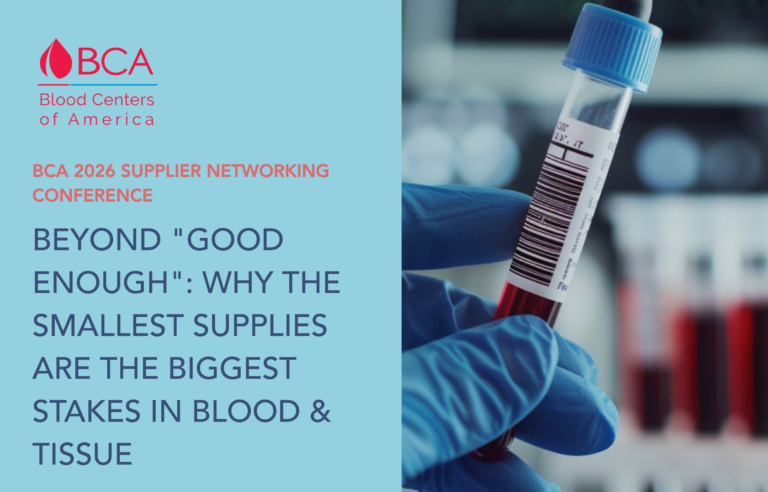
Properly labeling the test tubes and the blood bag are essential to ensuring your donation is put to good use. An improper label, or a label that isn’t designed to withstand the rigors of blood collection and storage, could cause problems with a blood donation. Don’t underestimate the importance of the label as a piece of blood donation equipment, blood bag labels can save lives.

At Caresfield, we’ve been making labels for over 30 years. We’ve designed custom labels that withstand a wide range of conditions, and we offer blood bag and test tube labels that meet FDA regulations. By using the right labels, blood centers properly track your sample. This ensures there are no issues and that your donation goes to a recipient with a matching blood type.
After the Donation
After your donation is complete, the phlebotomist will remove the needle from your arm. They will typically stop the bleeding with a small piece of gauze or cotton held in place with a cohesive bandage.

These non-latex bands are comfortable and flexible. They are non-adhesive and stick to themselves rather than your skin. Caresfield offers cohesive bandages in a variety of sizes, colors and prints to many different types of health care facilities.
Refreshments
After all the work that goes into giving the gift of life, you deserve a treat! After your donation, you will sit for a brief period while enjoying a snack and a drink. Once you feel normal, you can resume your normal daily activities. You’ll want to avoid exercise or other strenuous activities for the rest of the day.
There are many reasons why people avoid giving blood. If you’ve never donated, or if it’s been a while, we hope you will step up as part of Blood Donor Awareness Month and donate. Now you understand the process and the most common blood donation equipment.
Frequently Asked Questions

What is a phlebotomist?
A phlebotomist is a nurse or other health worker trained in drawing venous blood for testing or donation.
Am I Eligible to Donate Blood?
To meet the basic requirements for donating blood, you must be in good health and:
- Have a pulse and blood pressure within acceptable limits
- Have a normal temperature
- Meet the minimum age requirement per applicable state law
- Have an acceptable normal blood hemoglobin level
- Be free of infections that can be transmitted through blood transfusion, or risk factors closely associated with exposure to these infections
- Not have donated blood in the last 8 weeks.
There are a number of potential reasons you may be deferred from donating blood. These include:
- Not feeling well on the day of donation
- A history of non-prescription injection drug use
- Being a male who has had sexual contact with another male in the past 3 months.
- Getting tattooed in the last three months (unless done under sterile conditions and at a state-licensed facility)
- Having certain medical conditions or receiving certain medical treatments or medications
- Living in or travelling to certain areas for a designated period of time; for example, travelling to an area where malaria is endemic.
Is Giving Blood Safe?
Yes! The Food and Drug Administration is responsible for ensuring the safety of more than 11 million units of whole blood donated in the United States each year. Learn more on the FDA website.