Efficiency is key to providing the best care possible. Since the start of the pandemic, supply chain issues have made it increasingly difficult to keep your lab running smoothly. As a supplier of medical labels, Caresfield has taken steps to stabilize the supply chain so you can focus on the integrity of your samples.
“We recently had a new customer reach out after trying to order labels from three other distributors. We had 43 cases on hand which shipped next day air.”
Wade Blom, Caresfield director of supply chain and operations
For most labs, securing adequate resources has always been a challenge. Lab managers manage people, equipment and supplies to help doctors and nurses treat a myriad of medical conditions. Time is a precious resource and supply chain issues during the pandemic were often a major drain on productivity. According to an article in The Scientist, lab equipment breaking down could cause a half-day task to take several months to resolve with a much higher cost1.
Supply chain issues cause equipment and supply shortages. With medical supplies in particular, the U.S. relies heavily on imports from other countries.
Related: Supply Chain Solutions from Caresfield
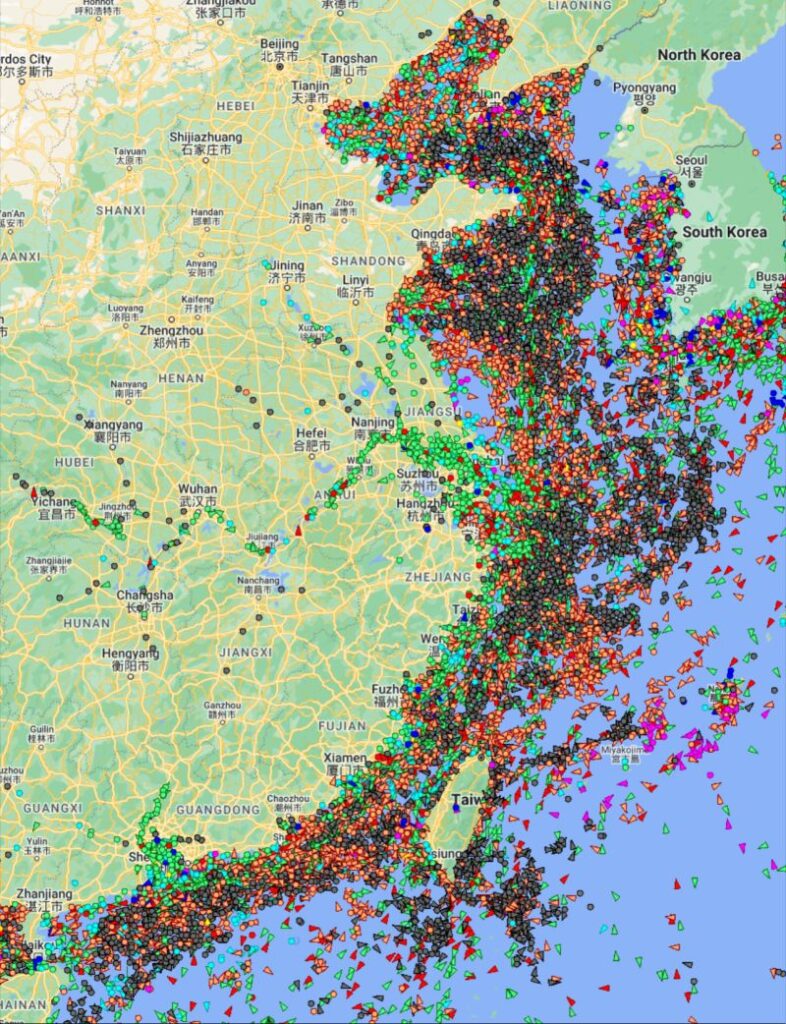
Near the start of the pandemic in 2020, the New York Times reported on how China built infrastructure to dominate the medical supply industry. Through government support including subsidies, directives to purchase locally and assistance in procuring land, China built the capacity to export 70.6 billion N95 masks from March through May 2022. For perspective, in the previous year the entire world produced about 20 billion masks. China made roughly half of those masks2.
Medical Labels: A Critical Part of Lab Efficiency
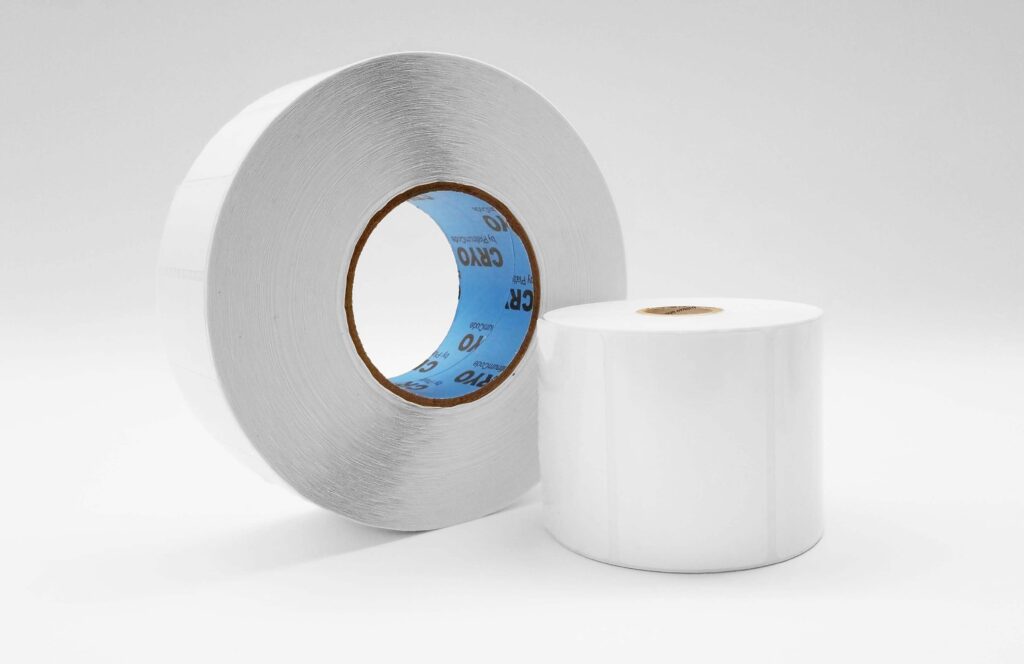
While PPE keeps your lab team safe, medical labels play an important role in protecting the integrity of your samples. We’ve looked at some of the challenges lab labels face in previous blog posts.
Early last year the Harvard Business Review looked at the traditional relationship between healthcare facilities and distributors. The article went on to suggest several ways non-traditional manufacturers of medical supplies could make the supply infrastructure more resilient and avoid the supply chain issues that started in 20203.
Many non-traditional manufacturers struggled to produce medical supplies during the pandemic, particularly creating quality products. Caresfield started as a medical labels manufacturer over 30 years ago. We are currently working to eliminate supply chain issues. We recently hired Wade Blom as director of supply chain and operations. Blom is working to ensure Caresfield can handle current growth of our label products and to prepare for future growth.
One of the reasons the healthcare supply chain faced so many challenges during the pandemic was just-in-time inventory practices. With complex, global supply chains, shutdowns and outbreaks in other parts of the world impacted the availability of supplies. One way Caresfield ensures a reliable supply for our customers is to store an ample supply of products in domestic warehouses.
“By holding all our inventory in the U.S., we are less reliant on the global supply chain. Our customers can rely on us having landed inventory,” Blom said. “From a business perspective, our carrying costs are higher but we’re not pushing that cost to our customers. We’ve made a commitment to ensure a steady, consistent, and reliable supply chain for our customers.”
Related: Healthcare Supply Chain: The Past, Present and Future with Robert W. Yokl
Domestic Manufacturing Helps Manage Costs
In addition to holding product at our domestic warehouses, Caresfield makes medical labels at our Lakeville, Minnesota, headquarters. Much like the supply challenges labs faced through the pandemic, we have had to work through raw material shortages. Some label manufacturers accept paper allotments, make labels in Mexico and are comfortable with customer backorders. Caresfield has taken an aggressive approach to ensure our customers are never short on supplies.
“We recently had a new customer reach out after trying to order labels from three other distributors,” Blom said. “First, we had 43 cases on hand which shipped next day air. Then we moved the order to the front of our production schedule and had the remainder of their 150-case order ready for shipment on Noon the next day. I don’t think anyone else in the industry is willing and able to do this for all their customers.”
While China may have an advantage on some medical supplies, Caresfield is well-positioned to keep your lab labels and specimen collection products stocked. Because we either make or store these products in the U.S. you can count on your order arriving in a timely manner. Ready to learn more? Visit www.caresfield.com to view our medical labels and specimen collection products, or use the live chat feature on the website to connect with a real person on our customer service team.
Sources
- Williams, S, Supply Shortages Hit Life Science Labs Hard, The Scientist, https://www.the-scientist.com/news-opinion/supply-shortages-hit-life-science-labs-hard-68695, April 21, 2021.
- Bradsher, K, China Dominates Medical Supplies, in this Outbreak and the Next, https://www.nytimes.com/2020/07/05/business/china-medical-supplies.html, New York Times, by, July 5, 2020.
- Hannah, D, One Way to Build More Resilient Medical Supply Chains in the U.S., https://hbr.org/2021/02/one-way-to-build-more-resilient-medical-supply-chains-in-the-u-s, Harvard Business Review, Feb. 16, 2021